
Who doesn't know the Gateway of India? It has often lined the covers of Mumbai travel brochures and is symbolic of the city itself. Apart from having a remarkable history, it is an ideal place to sit back and relax or enjoy a ferry ride to Alibaug or Elephanta Caves.
Editor's Note: Gateway Of India: Mumbai's Iconic Landmark And Gateway To The East was published on March 14th, 2023. It is a comprehensive guide to the Gateway of India, providing information on its history, architecture, and significance.
After doing some analysis, digging into old books and articles, and researching a lot about the Gateway of India, we put together this guide to help you make the right decision. We will discuss the structure, who built it, what makes it so special, and why you should visit it.
Key takeaways:
| Key Differences | Gateway Of India |
|---|---|
| Built | 1911 |
| Opened to the public | 1924 |
| Height | 26 meters |
| Width | 21 meters |
| Location | Colaba, Mumbai |
Transition to main article topics:
- History of Gateway Of India
- Architecture of Gateway Of India
- Significance of Gateway Of India
- Why visit Gateway Of India?
FAQ
Discover the answers to commonly asked questions about Mumbai's iconic Gateway of India, a monument that stands as a symbol of the city's rich history and enduring spirit.
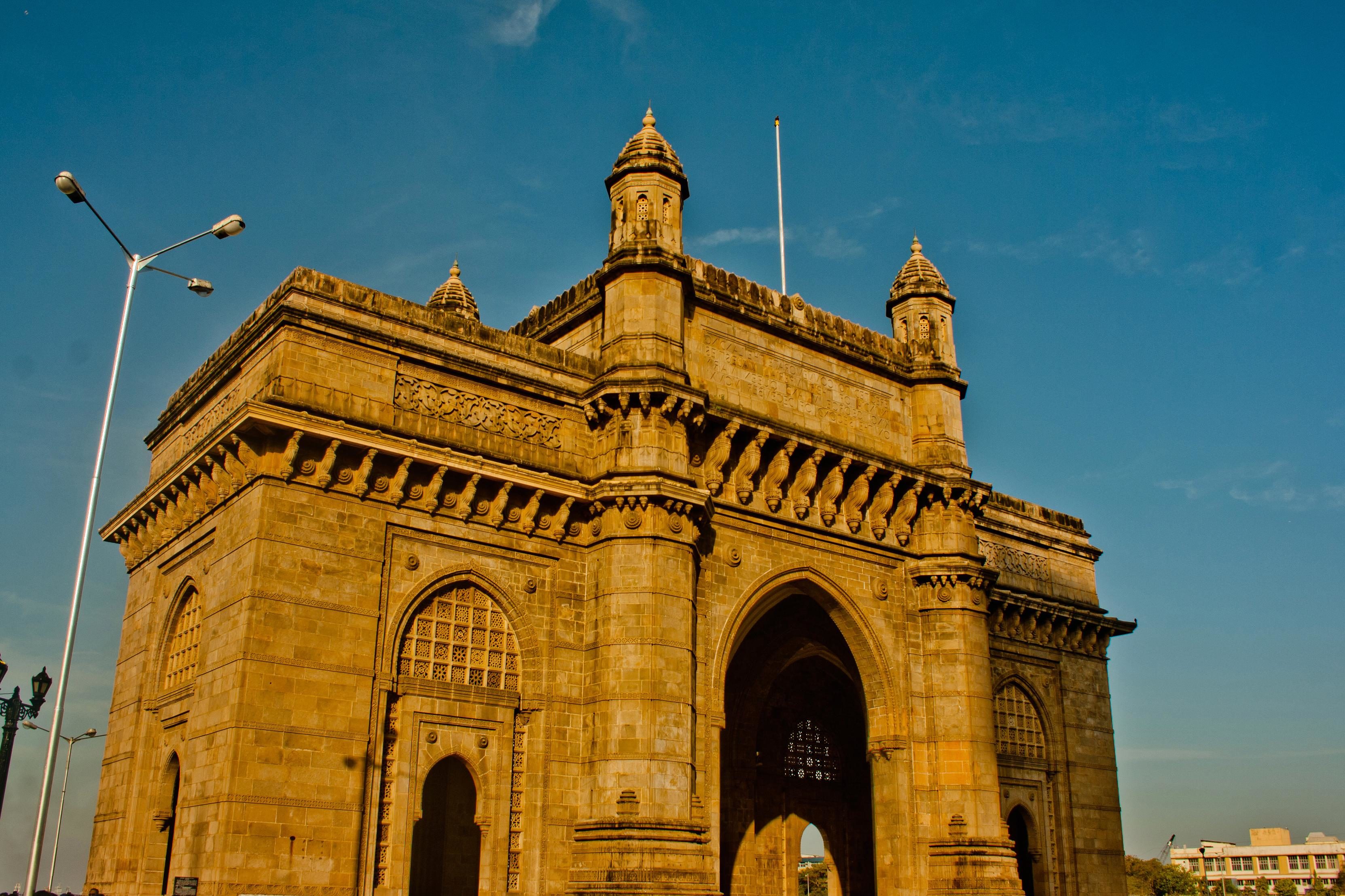
Free picture: gateway, India, architecture, exterior, monument, landmark - Source pixnio.com
Question 1: What is the significance of the Gateway of India?
The Gateway of India holds immense historical significance as the point of departure for British troops during World War I and the entry point for King George V during his visit to India in 1911. Today, it represents Mumbai's maritime heritage and serves as a popular tourist destination.
Question 2: What is the architectural style of the Gateway of India?
The Gateway of India is a blend of Hindu and Muslim architectural elements, featuring intricately carved stone arches and a central dome inspired by Gujarati and Islamic designs. Its unique style symbolizes the cultural diversity of India.
Question 3: How high is the Gateway of India?
The Gateway of India stands at a height of approximately 26 meters (85 feet), offering panoramic views of the Arabian Sea and the Mumbai skyline.
Question 4: Is there a museum inside the Gateway of India?
No, there is no museum located within the Gateway of India. However, visitors can explore the surrounding area, which includes the Prince of Wales Museum and the Chhatrapati Shivaji Maharaj Terminus, which houses the Dr. Bhau Daji Lad Museum.
Question 5: What is the best time to visit the Gateway of India?
The ideal time to visit the Gateway of India is during the cooler months, between October and March, when the weather is pleasant. It is also recommended to visit around sunset to witness the stunning golden hues illuminating the monument and the surrounding area.
Question 6: How do I reach the Gateway of India?
The Gateway of India is easily accessible by various modes of transportation, including taxis, buses, and the Mumbai Suburban Railway. The nearest railway station is Churchgate, located approximately 500 meters from the monument.
In conclusion, the Gateway of India is a captivating landmark that embodies the legacy and heritage of Mumbai. Its architectural beauty and historical significance have made it a must-visit destination for travelers and locals alike.
Proceed to the next section to delve into the rich history and symbolism of the Gateway of India.
Tips on Visiting Gateway Of India
Gateway Of India is a must-visit destination in Mumbai, and there are a few tips to make the most of your visit.
Tip 1: Arrive early to avoid crowds.
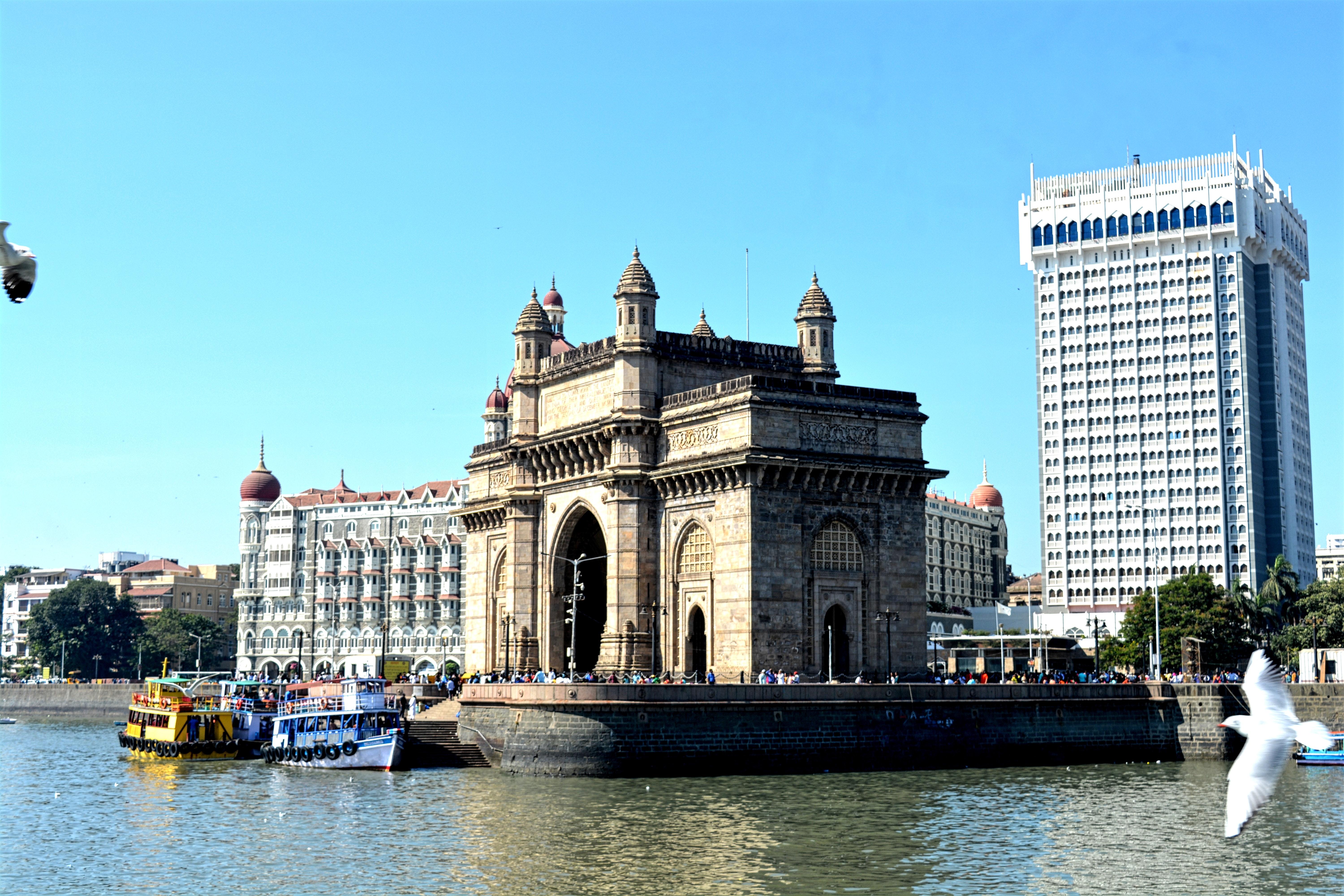
Gateway Of India Mumbai Wallpapers - Wallpaper Cave - Source wallpapercave.com
The Gateway Of India is one of Mumbai's most popular tourist destinations, and it can get very crowded, especially during peak season. If you want to avoid the crowds, arrive early in the morning or late in the evening.
Tip 2: Take a boat trip to Elephanta Island. Gateway Of India is the starting point for boat trips to Elephanta Island, a UNESCO World Heritage Site. The island is home to several ancient caves with intricate carvings and sculptures.
Tip 3: Visit the Taj Mahal Palace Hotel. Gateway Of India is located near the Taj Mahal Palace Hotel, one of Mumbai's most iconic landmarks. The hotel is worth a visit for its stunning architecture and luxurious interiors.
Tip 4: Try the street food. Gateway Of India is surrounded by street food vendors selling a variety of delicious snacks. Be sure to try the Vada Pav, a popular Mumbai street food made with a potato patty sandwiched between two pieces of bread.
Tip 5: Relax and enjoy the view. Gateway Of India is a great place to relax and enjoy the view of the Arabian Sea. There are several benches and chairs where you can sit and watch the boats go by.
By following these tips, you can make the most of your visit to Gateway Of India.
Gateway Of India: Mumbai's Iconic Landmark And Gateway To The East
The Gateway of India, located in Mumbai, India, stands as an enduring symbol of the city and a gateway to the eastern world. It is a majestic monument with a rich history and architectural significance, serving as a testament to India's colonial past and modern aspirations.

Amazing Close-up of the Gateway of India, Mumbai Stock Image - Image of - Source www.dreamstime.com
- Historical Landmark: A memorial to King George V, commemorating his 1911 visit to India.
- Architectural Marvel: Designed by George Wittet, it blends Indo-Saracenic and Gujarati architectural styles.
- Symbolic Gateway: Marks the entry point for many visitors arriving in India by sea.
- Cultural Hub: Hosts cultural events, festivals, and exhibitions, showcasing India's vibrant heritage.
- Tourist Destination: A popular attraction for domestic and international tourists, offering panoramic harbor views.
- Gateway to the East: A symbol of India's connection to the eastern world, facilitating trade and cultural exchange.
These aspects intertwine to create the Gateway of India's multifaceted significance. As a historical landmark, it evokes memories of India's past and the arrival of the British Raj. Its architectural grandeur showcases India's cultural heritage and artistic prowess. As a gateway, it represents India's openness to the world and its role as a bridge between East and West. Furthermore, it serves as a symbol of Mumbai's cosmopolitan spirit and its status as a global metropolis.
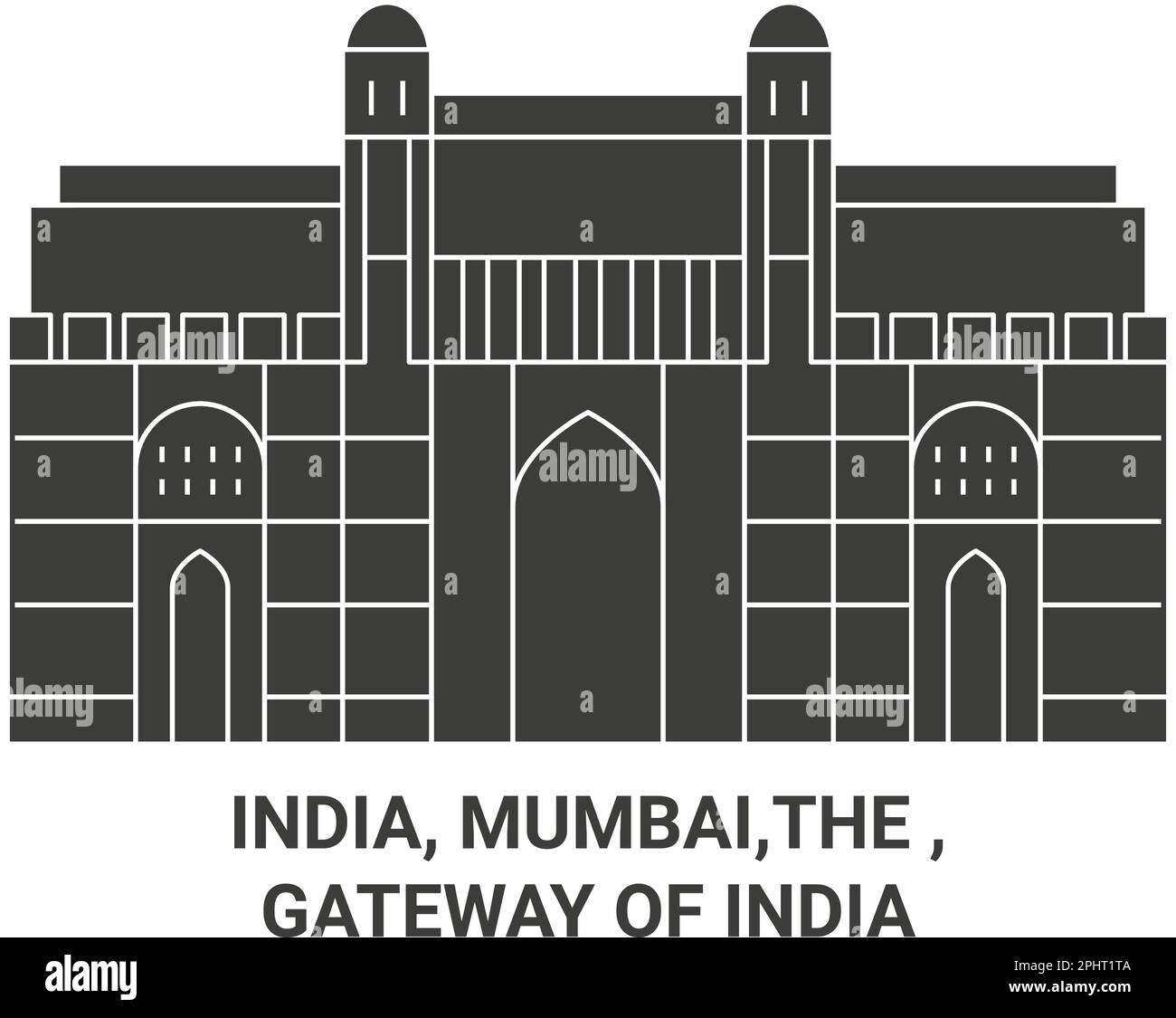
India, Mumbai,The , Gateway Of India travel landmark vector - Source www.alamy.com
Gateway Of India: Mumbai's Iconic Landmark And Gateway To The East
The Gateway of India, a grand archway monument in Mumbai (formerly Bombay), India, stands as a lasting vestige of British colonialism and serves as a gateway to the bustling city. Its symbolic importance lies in its historical role as a ceremonial landing place for British monarchs and other dignitaries upon their arrival in India.
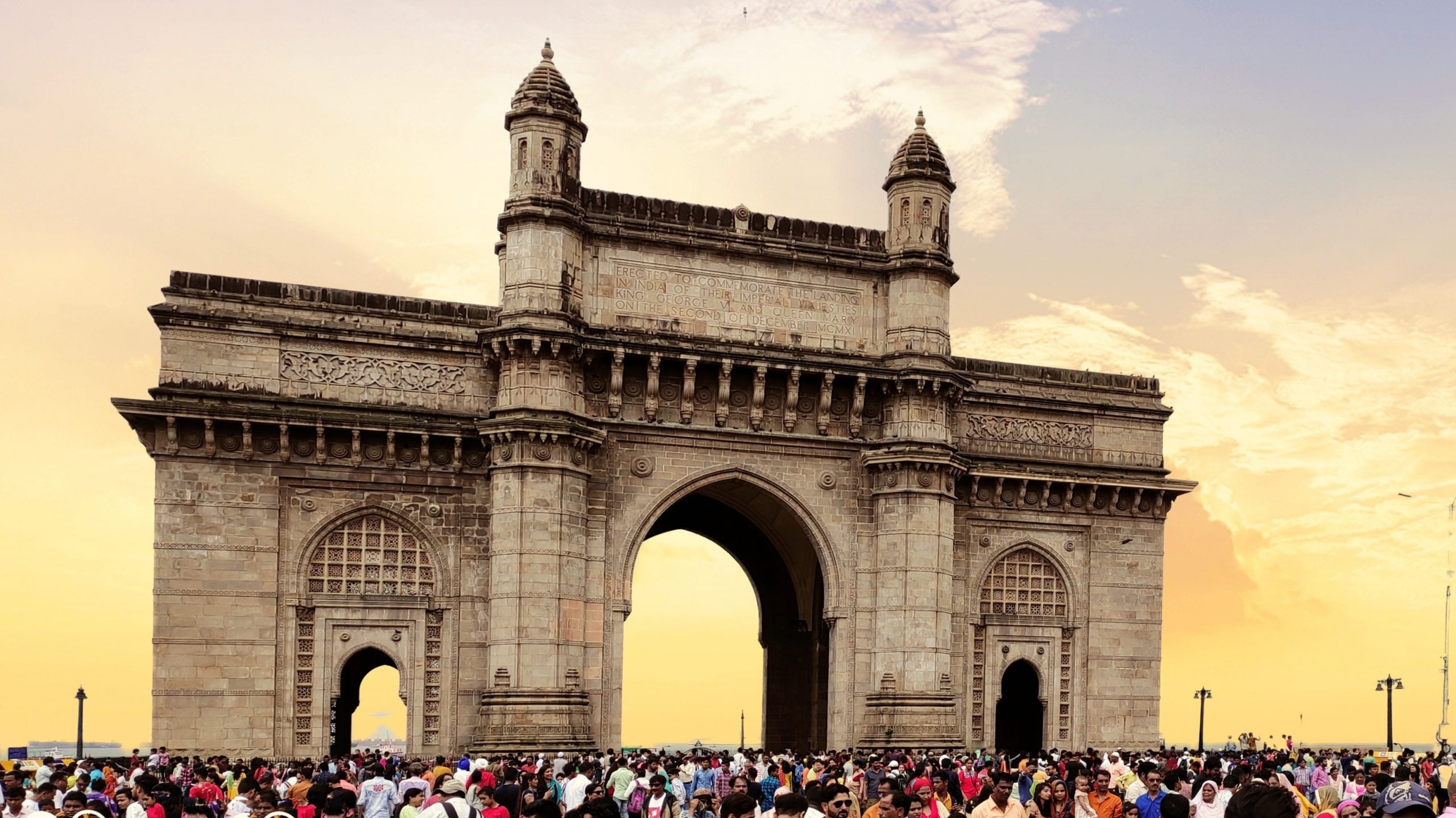
Gateway of India Mumbai - PixaHive - Source pixahive.com
The Gateway of India's enduring legacy is intertwined with India's struggle for independence. In 1947, it witnessed the departure of the last British troops from the country, marking a pivotal moment in Indian history. Today, the monument epitomizes India's transformation from a colonial subject to a sovereign nation.
Beyond its historical significance, the Gateway of India holds immense practical value. It serves as a major tourist attraction, drawing visitors from around the world who come to marvel at its architectural beauty and historical significance. The monument also plays a vital role in the city's transportation system, with ferry services connecting it to other parts of Mumbai and neighboring islands.
The Gateway of India stands as a testament to India's rich past and vibrant present. Its symbolic importance as a gateway to the East underscores Mumbai's role as a global metropolis and a hub for trade and commerce. Today, the monument continues to inspire and captivate, serving as a reminder of the city's enduring spirit and its significance in the global tapestry.
| Key Insight | Example |
|---|---|
| Historical significance | Arrival and departure of British monarchs and dignitaries, marking pivotal moments in India's colonial history. |
| Symbol of independence | Witnessing the departure of British troops in 1947, signifying the end of colonial rule. |
| Tourist attraction | Draws visitors from around the world to appreciate its architectural beauty and historical significance. |
| Transportation hub | Ferry services connect the Gateway of India to other parts of Mumbai and neighboring islands. |
Conclusion
The Gateway of India is more than just a monument; it is a living symbol of Mumbai's past, present, and future. It embodies the city's rich history, its struggles for independence, and its status as a global metropolis. The Gateway of India continues to stand as a beacon of progress and a reminder of the city's enduring spirit.
As Mumbai continues to evolve, the Gateway of India will undoubtedly remain a central part of its identity. It serves as a constant reminder of the city's resilience, its cultural heritage, and its promise as a thriving hub of commerce and culture.