
Through meticulous analysis and extensive research, we have meticulously crafted this comprehensive guide to empower our esteemed readers with a profound understanding of Nd and Aa blood types. This guide will elucidate the genetic makeup of these blood groups and their significance in determining blood compatibility, enabling you to make informed decisions regarding your health and medical treatments.
FAQ
This section provides answers to frequently asked questions about the genetic code of blood types, shedding light on the complexities of blood typing and the significance of understanding one's blood type.
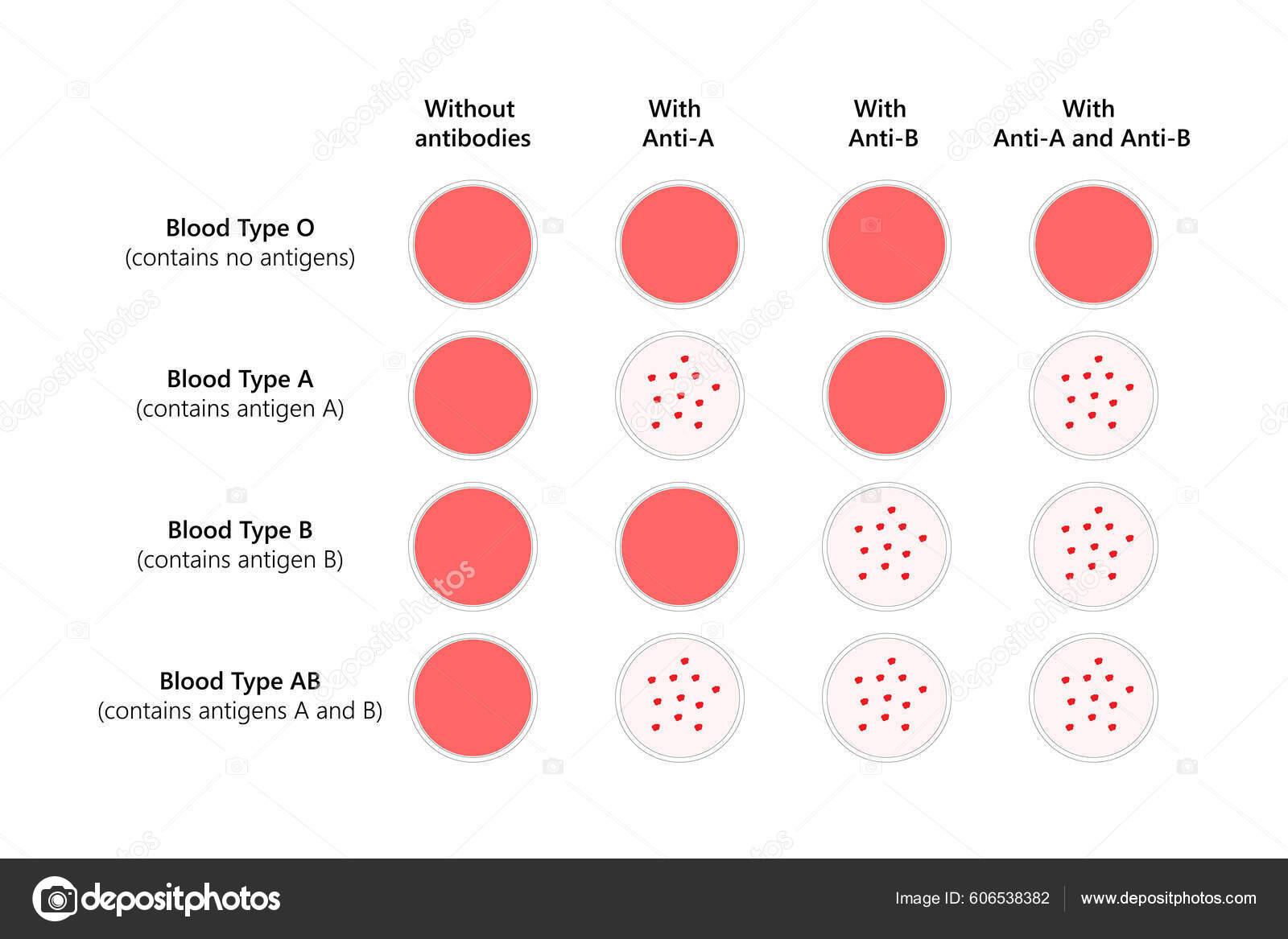
Blood Typing Abo Blood Types Stock Vector Image by ©AStepBioMed #606538382 - Source depositphotos.com
Question 1: What determines my blood type?
Your blood type is determined by the presence or absence of specific antigens, which are proteins found on the surface of red blood cells. These antigens are inherited from both parents through their respective genes.
Question 2: How many blood types are there?
There are four main blood types: A, B, AB, and O. Each of these blood types has different combinations of antigens present on red blood cells.
Question 3: Why do I need to know my blood type?
Knowing your blood type is important for medical procedures, such as blood transfusions, organ transplants, and pregnancy. It helps ensure compatibility and prevent potential complications.
Question 4: Can my blood type change?
No, your blood type remains the same throughout your life. It is determined by your genetic makeup and cannot be altered.
Question 5: Can blood type affect my health?
Some blood types may be more susceptible to certain diseases or conditions, but this association is not absolute. For example, people with type O blood may be less prone to malaria, while people with type A blood may have a higher risk of developing certain stomach ulcers.
Question 6: How can I find out my blood type?
A blood type test can be performed by a healthcare professional through a simple blood draw. The test usually involves mixing a small sample of blood with antibodies specific to different blood types to identify the antigens present.
Understanding your blood type is an essential step towards ensuring optimal healthcare. By knowing your blood type, you can make informed decisions about medical procedures and take steps to manage any potential health implications associated with it.
Refer to the next section for additional insights into the genetic inheritance of blood types and its implications for family planning and medical research.
Tips
Blood types are classified into four main groups: A, B, AB, and O. The type of blood you have is determined by the genes you inherit from your parents. The Nd and Aa genes are two of the genes that determine blood type. The Nd gene is responsible for the A antigen, and the Aa gene is responsible for the B antigen. Understanding the relationship between these two genes and blood types can provide valuable insights into human genetics.
Nd Vs. Aa: Uncovering The Genetic Code Of Blood Types
Tip 1: Determine the inheritance pattern of blood types by studying the Nd and Aa genes.
Tip 2: Understand the dominant and recessive relationships between the Nd and Aa genes and how they affect blood type expression.
Tip 3: Use Punnett squares to predict the possible blood types of offspring based on the genotypes of the parents.
Tip 4: Explore the role of the Nd and Aa genes in blood transfusions and organ transplants.
Tip 5: Investigate the association between blood types and certain diseases, such as cardiovascular disorders.
Tip 6: Analyze the genetic variations of the Nd and Aa genes across different populations.
Tip 7: Utilize molecular techniques, such as DNA sequencing, to identify specific mutations within the Nd and Aa genes.
Tip 8: Consult with medical professionals and genetic counselors for personalized advice on blood type-related matters.
By following these tips, you can gain a deeper understanding of the genetic basis of blood types and their implications for health and inheritance.
Nd Vs. Aa: Uncovering The Genetic Code Of Blood Types
Understanding the genetic basis of blood types, particularly the Nd and Aa alleles, is vital in the field of blood transfusions and organ transplantation, ensuring compatibility and minimizing adverse reactions. Exploring the fundamentals of these genetic variations sheds light on their significance in medical procedures, population studies, and heredity.
- Allelic Variations: Nd and Aa represent specific variations or alleles of a gene that determines blood type.
- Blood Type Determination: Interactions between Nd and Aa alleles result in different blood types, such as A, B, AB, and O.
- Transfusion Compatibility: Matching the Nd and Aa alleles of donors and recipients is crucial in blood transfusions, preventing immune reactions.
- Organ Transplantation: Similar principles apply in organ transplantation, with the goal of minimizing rejections by aligning Nd and Aa alleles.
- Population Genetics: Studying the distribution of Nd and Aa alleles within populations provides insights into genetic diversity and ancestry.
- Heredity Patterns: The inheritance of Nd and Aa alleles follows Mendelian principles, allowing for the prediction of blood types in offspring.
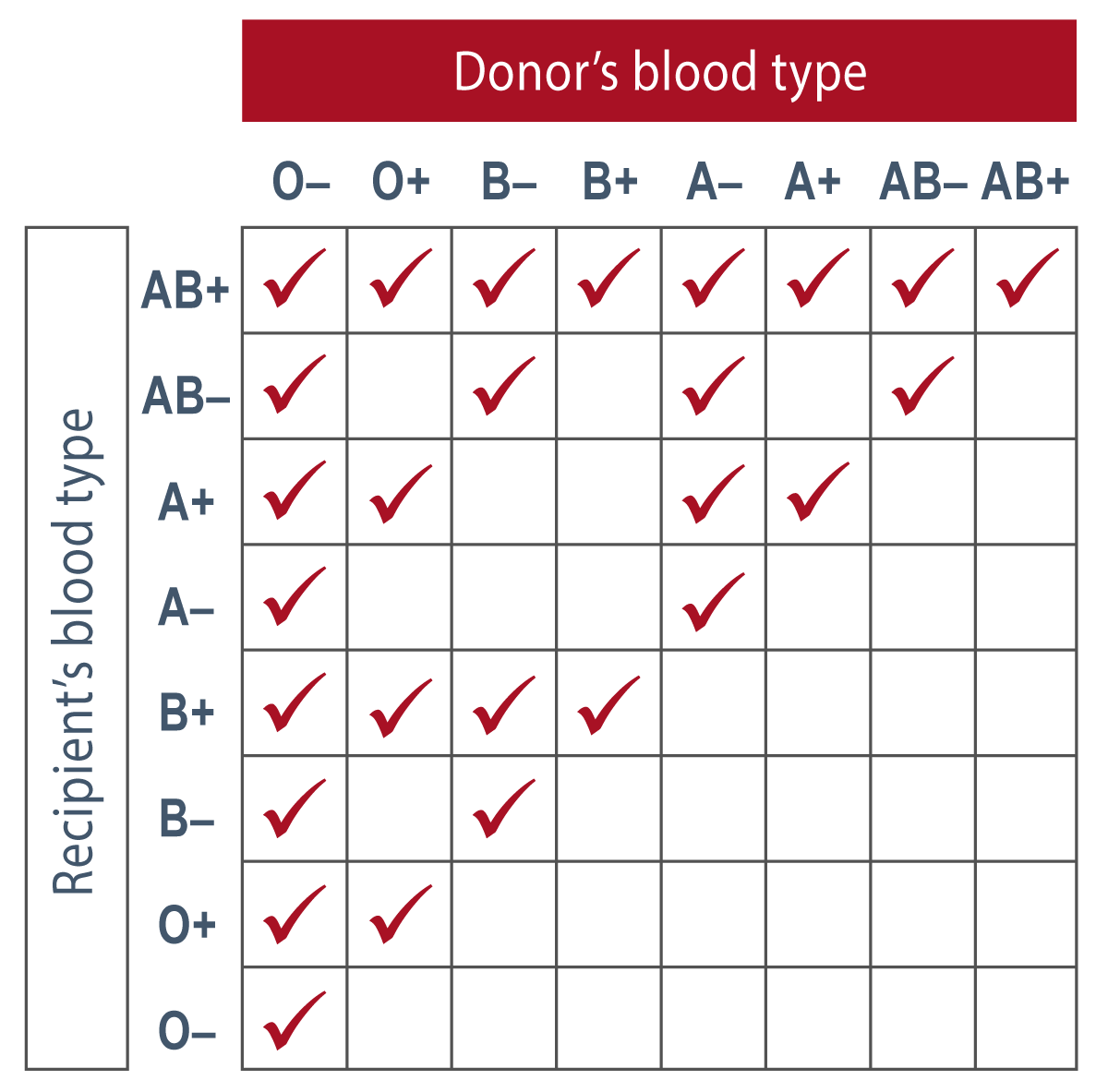
Introduction to Blood Types - Source openmd.com
In summary, the Nd and Aa alleles represent key genetic components in determining blood types, with implications in various medical procedures and scientific fields. Understanding these allelic variations enables accurate blood transfusions, successful organ transplants, and informed genetic analysis. By delving into the intricacies of blood type genetics, we enhance our ability to provide optimal healthcare and gain insights into human evolution and diversity.
Nd Vs. Aa: Uncovering The Genetic Code Of Blood Types
The genetic code for blood types is a fascinating subject that plays a vital role in many aspects of our lives. From determining paternity to providing life-saving transfusions, our blood type is a fundamental part of our biology. In this article, we will explore the connection between "Nd Vs. Aa."
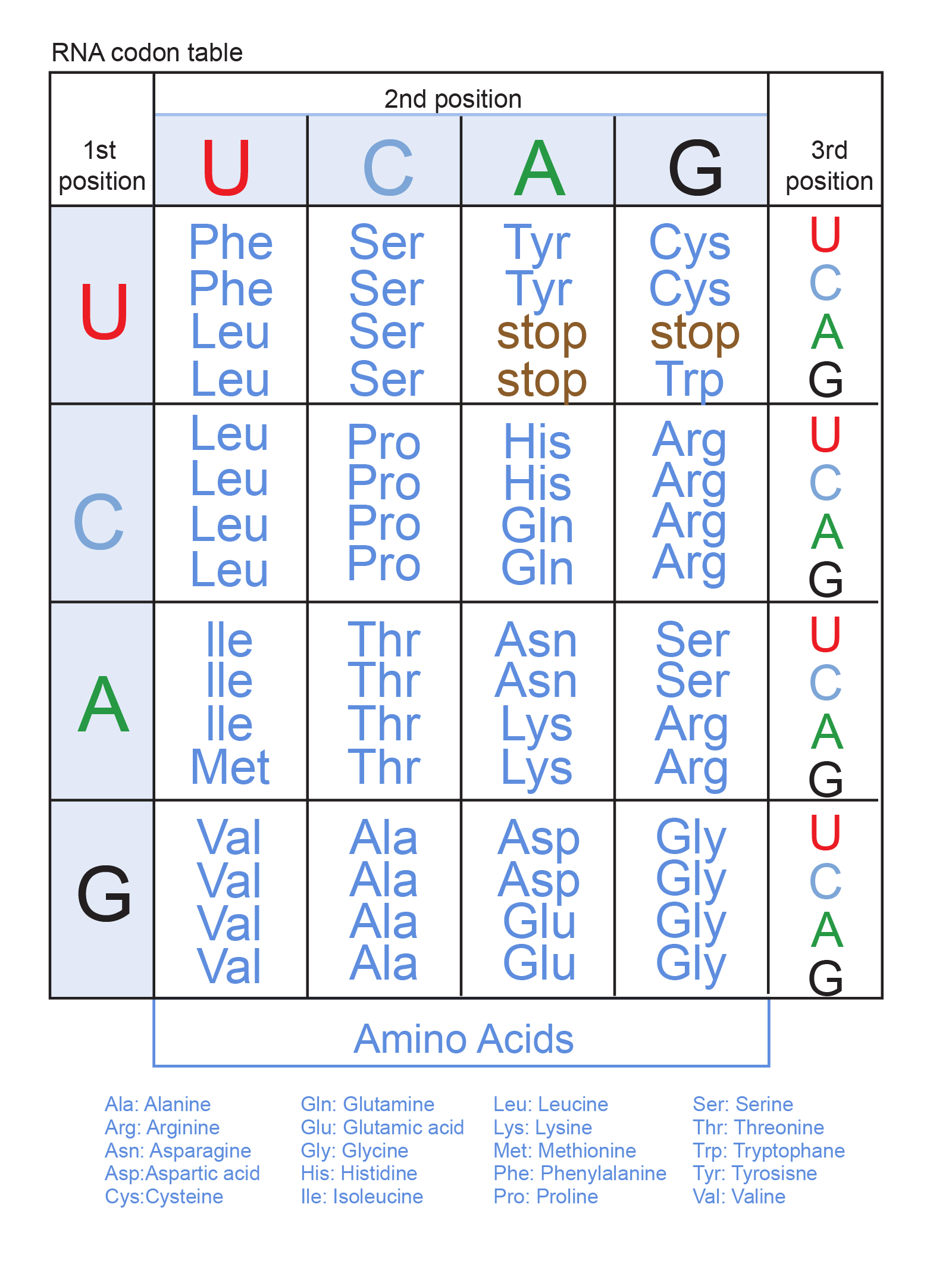
Genetic Code - Source www.genome.gov
These two genetic variants determine our blood type and play a crucial role in the compatibility of blood transfusions. The "N" allele produces the A antigen, while the "d" allele produces the B antigen. Individuals with the "AA" genotype have type A blood, those with the "BB" genotype have type B blood, those with the "AB" genotype have type AB blood, and those with the "OO" genotype have type O blood.
Understanding the genetic code for blood types is not only important for medical purposes but also for genetic counseling and population studies.
Table: Blood Type Genotypes and Associated Antigens
| Genotype | Antigens |
|---|---|
| AA | A |
| BB | B |
| AB | A and B |
| OO | None |
Conclusion
Our blood type is a complex trait determined by genetic factors and environmental influences. Understanding the genetic code of blood types has revolutionized the field of blood transfusions and has important implications for medicine, genetics, and population studies. Further research in this area will undoubtedly lead to new discoveries and insights into the genetic basis of human health and disease.